

Introduction
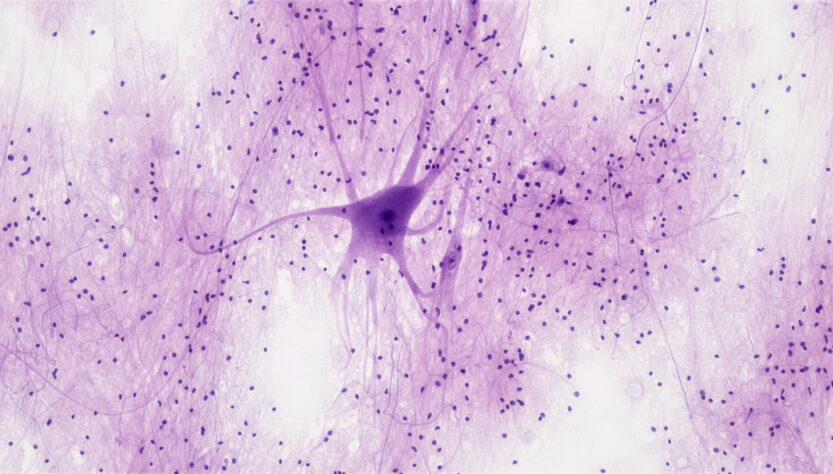
Motor Neuron Disease (MND), which includes conditions like Amyotrophic Lateral Sclerosis (ALS), is a devastating, rapidly progressive neurodegenerative disorder that selectively targets the nerve cells controlling voluntary muscle movement. As these motor neurons decline, patients experience progressive muscle wasting, fasciculations, speech difficulties, and eventual respiratory compromise. John, a 52-year-old software engineer from the USA, found himself facing this reality. Dissatisfied with the highly limited efficacy of standard pharmaceutical options available domestically, he turned his sights toward international advancements in regenerative medicine, choosing to undergo Stem Cell Therapy for Motor Neuron Disease in India.
The scientific premise of utilizing cellular therapy for MND rests on neuroprotection and slowing down the degenerative cascade. Motor neuron death is heavily driven by neuroinflammation, glutamate excitotoxicity, and oxidative stress within the spinal cord microenvironment. Mesenchymal stem cells (MSCs) possess distinct immunomodulatory capabilities. When introduced into the system, these cells migrate toward areas of injury and secrete a cocktail of neurotrophic factors (such as GDNF and VEGF) that help shield surviving motor neurons from premature degradation, thereby aiming to preserve functional mobility for a longer duration.
How to Manage Medical Travel to India for MND Stem Cell Therapy
For international patients like John, traveling to India for complex medical procedures requires a structured and well-coordinated logistical and medical plan:
- Remote Pre-Screening and Tele-Consultation: Before booking travel, upload comprehensive medical records—including electromyography (EMG) results, nerve conduction studies, and genetic profiles—for evaluation by Indian neurologists.
- Medical Visa Procurement: Ensure you apply for an official Indian Medical Visa (Med-Visa) rather than a tourist visa. Accredited hospitals in India provide formal visa invitation letters to streamline this process with the embassy.
- Assessing Respiratory Fitness for Travel: Because MND can impact pulmonary function, patients must obtain a “fit-to-fly” clearance, specifically evaluating their Forced Vital Capacity (FVC) prior to international travel.
- Execution of the Treatment Plan: The clinical protocol typically involves multiple target-specific deliveries, combining intrathecal injections to address central nervous system degeneration with systemic intravenous infusions to support overall cellular health.
- Seamless Continuity of Care: Before returning to the USA, obtain a detailed discharge summary outlining the exact cellular dosages, technical specifications, and a customized step-by-step physical therapy regimen to be maintained at home.
Frequently Asked Questions
Can stem cells reverse the damage caused by Motor Neuron Disease?
Currently, regenerative medicine cannot fully reverse advanced motor neuron loss or cure MND. The primary clinical objective of stem cell therapy is to slow down or stabilize the rapid progression of the disease, protect viable nerve tissue, and help maintain muscle strength and respiratory stability.
Why do international patients choose India for this therapy?
India has established itself as a leading hub for medical tourism due to its state-of-the-art tertiary hospitals, internationally trained neurologists, and highly competitive pricing. Treatments that might cost tens of thousands of dollars globally are accessible in India at a fraction of the cost, under strict clinical standards.
What are the main risks associated with the treatment?
The procedure is generally well-tolerated. Intrathecal injections carry minor risks typical of a lumbar puncture, such as a temporary post-spinal headache, mild back pain, or low-grade fever. Severe adverse events are exceptionally rare when protocols are executed in sterile, accredited hospital environments.
How soon can a patient expect to see stabilizing signs?
Every biological response is unique; however, some patients note subtle improvements or a stabilization in muscle fasciculations and fatigue within 4 to 8 weeks post-treatment. The long-term trajectory is highly dependent on the baseline progression speed of the individual’s specific strain of MND.