

Introduction
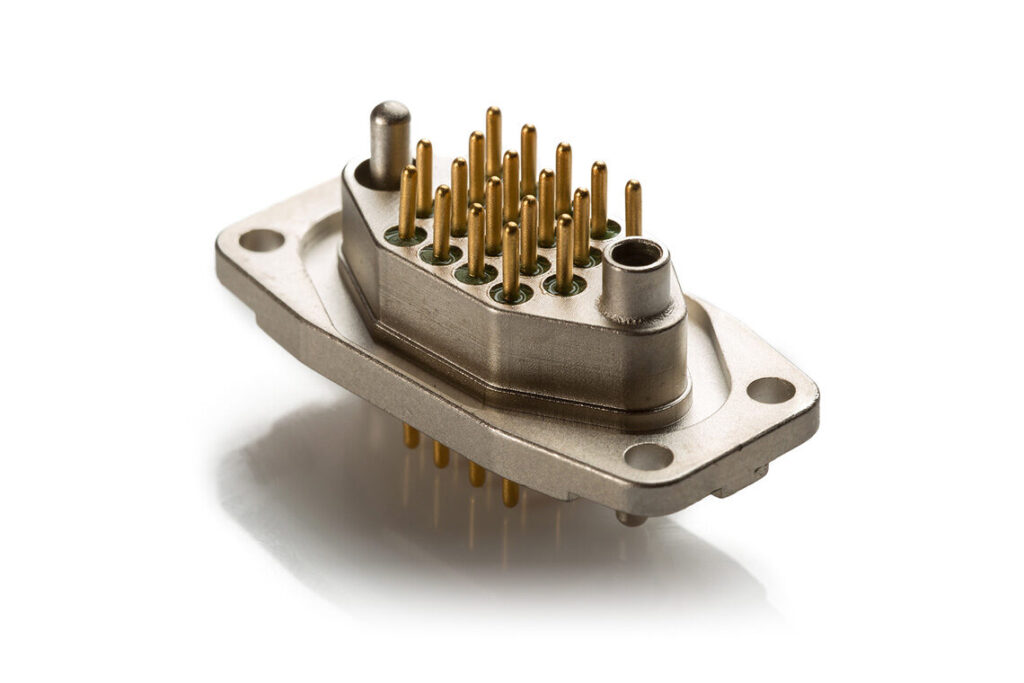
In high-reliability industries such as aerospace, defense, medical, and industrial engineering, hermetic connectors must perform flawlessly under extreme conditions. These components are designed to prevent moisture, gas, and contaminants from entering sensitive electronic systems. However, their performance depends heavily on strict testing and quality assurance processes.
To ensure maximum reliability, manufacturers like PAVE Technology follow advanced testing protocols and international quality standards. These procedures guarantee that every hermetic connector can withstand harsh environments and deliver consistent long-term performance.
Why Quality Standards Matter for Hermetic Connectors
Hermetic connectors are used in mission-critical systems where even a minor failure can lead to severe consequences. Because of this, quality standards are not optional—they are essential.
Strict standards ensure that hermetic connectors:
- Maintain airtight sealing under pressure
- Resist temperature extremes
- Prevent electrical leakage
- Deliver long-term durability
- Perform reliably in critical environments
Without proper quality control, the sealing integrity of connectors could fail, leading to system breakdowns or safety risks.
Key International Standards for Hermetic Connectors
Modern hermetic connectors are tested according to globally recognized standards that define performance, safety, and durability requirements.
MIL-STD Standards
Military standards (MIL-STD) are widely used for aerospace and defense applications. These standards ensure that connectors can withstand extreme vibration, shock, temperature changes, and pressure variations.
ISO Quality Standards
ISO certifications ensure that manufacturing processes follow consistent quality management systems. This guarantees product reliability and process efficiency.
IEC Standards
The International Electrotechnical Commission (IEC) provides guidelines for electrical performance, insulation resistance, and safety compliance in electronic components.
By following these standards, companies like PAVE Technology ensure that their hermetic connectors meet global performance expectations.
Environmental Testing of Hermetic Connectors
Environmental testing is one of the most important parts of quality assurance. It evaluates how hermetic connectors perform under real-world conditions.
Temperature Cycling Tests
These tests expose connectors to extreme hot and cold temperatures to ensure they maintain structural integrity without seal failure.
Humidity Resistance Testing
Connectors are tested in high-humidity environments to verify that no moisture enters the sealed enclosure.
Pressure and Vacuum Testing
These tests simulate high-pressure and vacuum conditions, especially important for aerospace applications.
Corrosion Resistance Testing
This ensures that materials used in hermetic connectors do not degrade when exposed to chemicals or salt environments.
Mechanical Testing for Durability
In addition to environmental testing, hermetic connectors undergo mechanical testing to ensure physical strength and stability.
Vibration Testing
This test simulates conditions experienced in aircraft, vehicles, and industrial machinery to ensure connectors remain secure.
Shock Testing
Connectors are subjected to sudden impacts to verify that sealing and electrical performance remain intact.
Pull and Stress Testing
These tests measure how well connectors withstand mechanical force without damage or failure.
Electrical Performance Testing
Since hermetic connectors are used in sensitive electronic systems, electrical performance is a critical factor.
Insulation Resistance Testing
This ensures that electrical signals do not leak between contacts or through the sealing material.
Dielectric Strength Testing
This evaluates the ability of the connector to withstand high voltage without breakdown.
Contact Resistance Testing
This measures how efficiently electrical signals pass through the connector without loss.
Leak Detection Testing
One of the most important tests for hermetic connectors is leak detection.
Advanced methods such as helium leak testing are used to detect even microscopic leaks in the sealing structure. This ensures complete airtight performance, which is essential for sensitive applications.
Companies like PAVE Technology use highly precise leak detection systems to guarantee zero-defect sealing quality.
Material Inspection and Quality Control
Material selection plays a crucial role in the performance of hermetic connectors. Each material is carefully inspected before manufacturing.
Metal Quality Checks
Metals used in connectors are tested for corrosion resistance, conductivity, and structural strength.
Ceramic and Glass Inspection
Ceramic and glass components are examined for cracks, impurities, and bonding quality.
Surface Finish Inspection
A smooth and defect-free surface ensures proper sealing and long-term durability.
Manufacturing Process Quality Assurance
Quality control does not stop at testing; it continues throughout the manufacturing process.
Precision Assembly
Each connector is assembled under controlled conditions to avoid contamination.
Automated Inspection Systems
Advanced machines are used to detect defects during production.
Batch Testing
Random samples from each production batch are tested to ensure consistent quality.
Role of PAVE Technology in Quality Excellence
PAVE Technology is committed to delivering high-performance hermetic connectors that meet strict international standards. The company focuses on precision engineering, advanced materials, and rigorous testing methods to ensure reliability in critical applications.
By maintaining strict quality control systems, PAVE Technology ensures that every product delivers long-term durability, safety, and performance in demanding environments.
Challenges in Maintaining Quality Standards
Maintaining quality standards for hermetic connectors is challenging due to:
- Extremely tight sealing requirements
- Complex material bonding processes
- High precision manufacturing needs
- Strict industry regulations
Despite these challenges, advanced engineering and modern testing technologies help manufacturers maintain high reliability.
Future of Testing and Quality Standards
As technology advances, testing methods for hermetic connectors are becoming more sophisticated. Future trends include:
- AI-based defect detection systems
- Automated real-time quality monitoring
- Advanced nano-level leak detection
- Smarter predictive maintenance systems
These innovations will further improve the reliability and safety of hermetic connectors in critical industries.
Conclusion
Testing and quality standards are essential for ensuring the reliability of hermetic connectors in mission-critical applications. Through rigorous environmental, mechanical, electrical, and leak testing, manufacturers ensure that these components perform flawlessly under extreme conditions.
With strong engineering expertise and strict quality control systems, PAVE Technology continues to deliver high-quality hermetic connectors that meet global standards. As industries demand even higher reliability, advanced testing and quality assurance will remain at the core of hermetic connector development.