

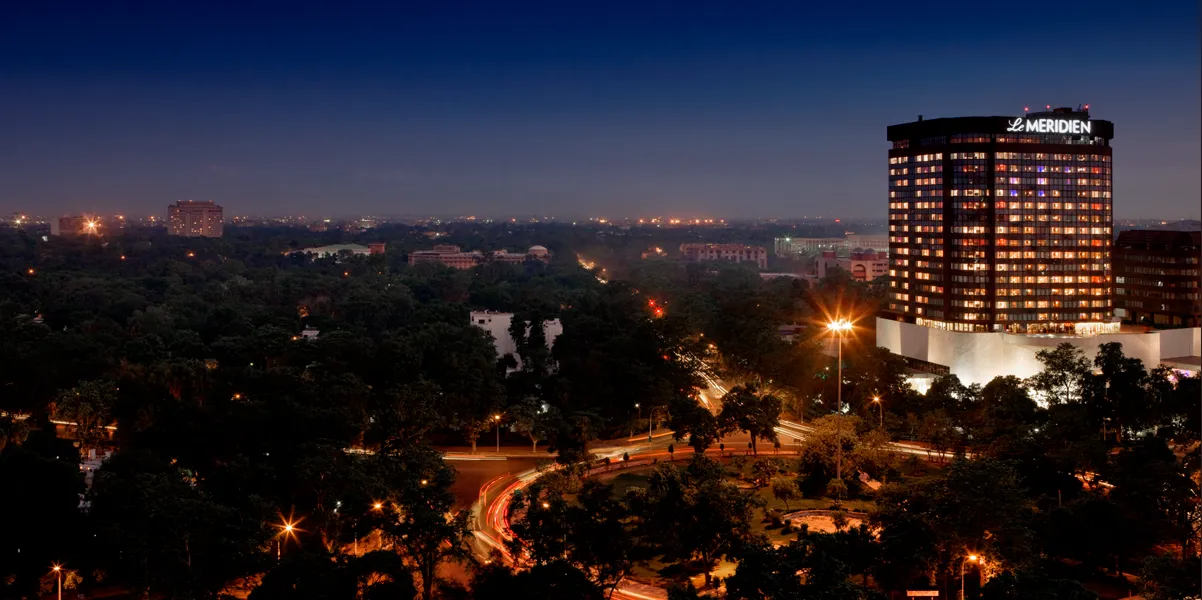
New Delhi does not reveal itself all at once. It unfolds gradually, through ceremonial boulevards, quiet diplomatic zones, and historic districts layered with memory. Architecture, governance, culture, and commerce intersect here, creating a city that functions as both capital and symbol. Hospitality, within this environment, becomes more than accommodation. It evolves into an extension of the city’s institutional and cultural identity.
Travelers navigating this urban complexity often encounter establishments that reflect the capital’s structured elegance, particularly the Taj Hotel Delhi, which represents continuity within a rapidly modernizing landscape. Such properties do not exist in isolation. They operate as cultural interfaces, hosting global visitors, state delegations, and domestic travelers seeking familiarity within an expansive metropolis.
The Structural Relationship Between Hospitality and Capital Cities
Capital cities demand a hospitality infrastructure capable of accommodating diverse visitor profiles, ranging from diplomats and executives to cultural tourists. New Delhi exemplifies this need, functioning simultaneously as a political center, international negotiation hub, and heritage destination. Hotels must therefore support both logistical precision and experiential comfort without compromising institutional expectations.
This requirement has shaped the evolution of hotel design and service philosophy in the capital. Locations near diplomatic enclaves, government buildings, and historical landmarks carry particular strategic importance. Hospitality establishments in these zones often become part of the operational rhythm of the city, supporting conferences, bilateral meetings, and official ceremonies while also serving individual travelers exploring the capital’s layered identity.
Geographic Positioning and Its Influence on Hospitality Value
Location within New Delhi is not merely about convenience. It reflects proximity to power structures, transportation networks, and cultural sites. Areas such as Chanakyapuri, Mansingh Road, and the central administrative districts hold unique relevance. Hotels situated in these regions provide direct access to embassies, policy institutions, and national monuments, enhancing both efficiency and experiential continuity.
Urban planning in New Delhi has historically emphasized spatial order and accessibility. Hospitality establishments benefit from this design, integrating seamlessly into structured avenues and landscaped zones. This alignment allows visitors to transition smoothly between official engagements, cultural exploration, and personal leisure without excessive logistical disruption.
Diplomatic Enclaves and Their Hospitality Ecosystem
Diplomatic zones in New Delhi represent highly controlled and carefully maintained environments. Hotels located within or near these areas often serve international delegations and visiting officials. Their presence supports diplomatic functions, offering secure and structured accommodation aligned with global operational expectations.
Proximity to Cultural and National Landmarks
Hotels positioned near India Gate, Rashtrapati Bhavan, and ceremonial avenues provide guests with immediate access to national symbols. This proximity enhances the visitor experience by reducing travel barriers between accommodation and key historical locations. It also allows travelers to experience the capital’s architectural coherence more directly.
Accessibility and Transportation Integration
Connectivity plays a decisive role in hospitality efficiency. New Delhi’s integration of airports, metro systems, and arterial roads enables hotels to maintain operational accessibility. Properties positioned near major transport corridors allow guests to navigate the city efficiently, whether for official commitments or personal exploration.
Architectural Identity and Its Role in Hospitality Experience
Architecture within New Delhi’s hospitality sector reflects a dialogue between heritage and modernity. Buildings often incorporate classical symmetry, expansive interiors, and landscaped surroundings, aligning with the capital’s broader design language. This architectural consistency reinforces the perception of order and institutional stability.
Interior design further complements this structural identity. Spatial planning emphasizes openness, controlled lighting, and balanced proportions. Such design choices support both functional efficiency and psychological comfort, allowing guests to experience continuity between the external urban environment and internal hospitality spaces.
Heritage Influence on Modern Hospitality Structures
New Delhi’s architectural heritage has shaped the visual language of its hotels. Many properties incorporate traditional motifs, formal entryways, and structured landscaping. These elements create a sense of permanence, aligning hospitality environments with the capital’s historical continuity.
Spatial Planning and Guest Movement
Hotel interiors in New Delhi often emphasize intuitive navigation and spatial clarity. Public areas, guest rooms, and functional facilities are arranged to minimize confusion and maximize operational flow. This structured planning reflects the broader urban philosophy of the capital itself.
Integration of Landscape and Built Environment
Landscaped surroundings play a significant role in defining hospitality environments. Gardens, courtyards, and open spaces create visual and environmental balance. These elements soften the urban density, providing moments of calm within an otherwise active city.
Understanding Taj Hospitality Presence in New Delhi
The Taj brand maintains a notable presence within New Delhi’s hospitality landscape, operating properties that align with the capital’s institutional and cultural framework. These establishments serve diverse functions, from accommodating international visitors to hosting official events. Their positioning within key districts reflects strategic integration into the city’s operational geography.
Their architectural scale, interior design, and service infrastructure reflect long-term alignment with the capital’s evolving hospitality needs. These properties have become part of New Delhi’s operational rhythm, supporting diplomatic, cultural, and commercial activities without disrupting the city’s structured identity.
Taj Palace, New Delhi and Its Diplomatic Context
Taj Palace, New Delhi is situated in Chanakyapuri, the diplomatic enclave of the capital. Its location places it near numerous embassies and official institutions, reinforcing its operational relevance within diplomatic and governmental environments. The property incorporates expansive indoor spaces and landscaped exteriors that align with the area’s structured aesthetic.
Taj Mahal, New Delhi and Its Central Urban Position
Taj Mahal, New Delhi, is located near Mansingh Road, providing proximity to India Gate and other central landmarks. This positioning allows guests to access both cultural and administrative zones with minimal logistical complexity. Its location reinforces its integration into the capital’s institutional core.
Final Thoughts on Navigating Hospitality Choices in New Delhi
New Delhi’s hospitality landscape reflects the capital’s layered identity, combining historical continuity with modern operational demands. Hotels positioned within diplomatic and central districts contribute to this structured environment. Their architectural presence and geographic positioning enhance both functionality and experiential continuity for visitors.
Travelers evaluating accommodation options often consider proximity, operational reliability, and integration with the city’s institutional geography. Platforms such as Goibibo allow users to compare properties, including the Taj Delhi Hotel, within the broader context of New Delhi’s hospitality ecosystem, supporting informed and structured travel decisions.